When it comes to improving your putting, the putter shaft is often overlooked, yet it plays a critical role in feel, consistency, and roll. Golf putter shafts are not all created equal, and choosing the right one can transform your performance on the greens. Whether you are battling three-putts or looking for more control, understanding how shaft material, bend profile, and stability affect your stroke is the first step to better putting. At MB Custom Golf in Wernersville, Pennsylvania, we see golfers every day who are surprised by how much a properly fitted putter shaft changes their game.
Custom fitting for golf putter shafts goes beyond picking a brand. It involves analyzing your stroke mechanics, launch conditions, and feel preferences using launch monitor data and precision tools like Mitchell-calibrated equipment. This article will guide you through everything you need to know about golf putter shafts, from budget-friendly options to premium performance upgrades, and explain why a local custom fitting can make all the difference. The best putter shaft for you depends on your unique stroke, feel preferences, and budget, and we will cover all the factors that matter.
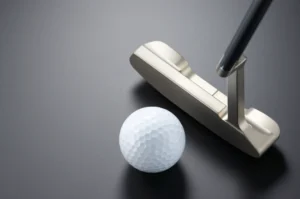
Many golfers assume the putter head is the only component that matters, but the shaft is the direct connection between your hands and the clubface. A shaft that is too flexible, too stiff, or the wrong length can cause inconsistent face impact, poor alignment, and unwanted torque. The right golf putter shafts provide stability, consistent flex, and the correct bend profile to match your stroke path—whether straight-back-straight-through or arcing. For example, a double bend shaft is ideal for face-balanced putters used in straight strokes, while a single bend or straight shaft suits putters with toe hang for arcing strokes. The shaft also influences tempo: a heavier shaft can slow down a quick stroke, while a lighter shaft may help a deliberate stroke feel more natural. Custom fitting ensures you get the exact bend profile and weight distribution for your natural stroke.
Golf putter shafts are available in steel, graphite, and multi-material constructions. Steel shafts like those from Apollo or True Temper are durable and offer a traditional feel; they range from as low as $6 for an Apollo straight stepped shaft to slightly more for premium stepped models. Graphite shafts, such as the SK Fiber Pro 115 (available in multiple colors at $17.95 each), are lighter and can reduce vibrations for a softer feel. Premium multi-material shafts like the BGT Stability Carbon Pro or TPT Pulse use advanced composites to increase stability and consistency. The TPT Pulse, priced up to $450, is built from a single continuous carbon layer and is exclusively paired with L.A.B. Golf putters. Other top performers include the KBS CT Tour and One Step, Accra Sync, LA Golf P-Series SoHo, Mitsubishi Chemical Diamana P135, and Aerotech SteelFiber, which combines graphite with steel fibers for added stability. Each material affects feel, weight, and feedback, so testing is essential. Steel shafts are generally heavier (110–130 grams) and provide more feedback, while graphite shafts are lighter (50–90 grams) and dampen vibration. Multi-material shafts often fall in between, offering a balance of stability and feel.
The bend profile of a golf putter shaft determines how the shaft aligns with the putter head's balance and your stroke path. Straight shafts are typically used in putters with toe hang for arcing strokes. Single bend shafts are common in face-balanced putters for straight strokes, while double bend shafts also suit face-balanced models but with more offset. Apollo offers all three bend profiles, giving fitters flexibility. A common mistake is using the wrong bend, which can lead to inconsistent face angle at impact. A custom fitting using a launch monitor can identify your stroke type and recommend the optimal bend. For instance, if you have a strong arc, a straight shaft with toe hang may improve feel and face rotation. If your stroke is more linear, a double bend shaft can help keep the face square through impact. The offset added by double bend shafts can also aid alignment for some golfers, but it's not a one-size-fits-all solution.
For golfers seeking maximum consistency, premium shafts like the BGT Stability Tour One, TPT Pulse, and KBS One Step are engineered to reduce twisting and improve energy transfer. The BGT Stability shaft uses a multi-material design with a steel tip and carbon fiber body to increase stiffness without adding weight, resulting in less face rotation and tighter dispersion. The TPT Pulse, made from a single continuous carbon fiber layer, offers exceptional torsional stability and is a favorite among tour players. KBS's CT Tour and One Step shafts feature stepped steel designs that enhance feel and control. Accra Sync shafts use a graphite construction with a unique layup for consistent flex, while LA Golf's P-Series SoHo combines carbon fiber with a metal tip for dampening. These shafts range from $100 to $450 and are best suited for golfers with consistent mechanics who want to eliminate variables. However, even mid-range options like the SK Fiber Pro 115 or the True Temper Tour Concept can provide a noticeable upgrade over stock shafts.
Premium shafts like the BGT Stability Tour One or TPT Pulse are engineered to reduce twisting and improve energy transfer, which can lead to more consistent ball speed and direction. For serious golfers who have already dialed in their putting mechanics, these shafts can produce measurable improvements in dispersion and roll. However, a golfer with an inconsistent stroke may benefit more from working on technique before investing in a $450 shaft. Budget-friendly options like the Apollo stepped shaft at $6 provide excellent value, and many golfers find the SK Fiber Pro 115 graphite to be a great mid-range upgrade. The key is to test different options with real data—not just price. At MB Custom Golf, we use launch monitors to compare performance metrics like face angle, launch angle, and spin, so you know exactly what you're paying for. For many golfers, a $50 graphite shaft that fits their stroke can outperform a $300 shaft that doesn't match their tempo or feel preferences.
One of the most frequent mistakes is choosing a putter shaft based solely on brand or price without considering fit. Another is overlooking length—a shaft that is too long can cause posture issues and inconsistent contact. Also, many golfers assume a stiffer shaft always improves consistency, but if the shaft is too stiff for your stroke, you may lose feel and distance control. Grip size and weight are also overlooked: a grip that's too small or large can alter wrist action, and an imbalance between shaft weight and head weight can throw off swingweight. Finally, ignoring the bend profile can lead to a mismatched putter that doesn't track correctly. A professional fitting addresses all these variables, using tools like Mitchell-calibrated club rulers and frequency analyzers to verify specs. In Berks County, golfers can avoid these pitfalls by visiting a dedicated studio like MB Custom Golf, where every club is built, measured, and matched to your swing. We also test on actual putting greens to ensure the setup translates to real performance.
If you are serious about improving your putting, a custom fitting for golf putter shafts in Berks County is the best investment you can make. At MB Custom Golf in Wernersville, we offer private, appointment-only one-on-one sessions where we analyze your stroke, demonstrate the differences between shafts, and build a putter that fits you perfectly—no pressure, just precision. Whether you need an affordable Apollo shaft or want to test a high-end TPT Pulse, we provide transparent recommendations based on data, not sales quotas. Serving Reading, Wyomissing, Sinking Spring, West Lawn, and the surrounding areas, we are your local experts for custom club fitting and building. Contact us today to schedule your appointment and discover how the right putter shaft can lower your scores. Our studio is equipped with Mitchell-calibrated tools and launch monitors to ensure every detail is optimized for your game.
