For many golfers, the pursuit of better performance often clashes with budget constraints. The good news is that affordable golf equipment doesn't have to mean sacrificing distance, accuracy, or feel. With smart shopping and a focus on what truly matters—proper fit and quality components—you can build a set that performs at a fraction of the cost. At MB Custom Golf, we believe that real value comes from precision: clubs built, measured, and matched to your swing using launch monitor data and Mitchell-calibrated tools. Here's how to save money while still getting gear that works.
Affordable golf equipment isn't about the lowest price tag—it's about getting the best performance for your dollar. Budget-friendly options from major brands like Callaway, TaylorMade, and Wilson often use the same core technologies as their premium lines, just in slightly older models or with different shaft choices. For example, the Callaway Supersoft golf ball provides tour-like feel at a price that won't break the bank. Similarly, complete sets like the Wilson Prostaff SGI (around $400) offer game-improvement features that can help you find more fairways and greens. The key is to avoid paying for features you don't need. A serious amateur in Berks County doesn't necessarily need the latest driver release—a slightly older model like the Cobra Darkspeed X, available at Golf Discount for $249 (saving $300), can deliver identical launch conditions when properly fit. Real data, not guesswork, is what separates a bargain from a waste of money. Understanding the cost breakdown of a golf club—head, shaft, grip, and assembly—lets you see where your money goes. Often the biggest price difference is in the head's aesthetic or marketing, while the shaft and grip are what truly affect launch and feel. By focusing on the latter, you can save on the head without losing performance.
Another consideration is the shaft. A premium shaft upgrade can cost hundreds, but a quality mid-range shaft fitted to your swing can perform nearly as well. At MB Custom Golf, we see many golfers overspend on shafts they don't need. Affordable golf equipment often comes with stock shafts that may not match your swing speed or tempo. Investing in a proper shaft fitting and then sourcing a used head can be the most cost-effective path. For instance, a used Titleist driver head from a previous model paired with a new, correctly flexed shaft can outperform a brand-new off-the-shelf driver at double the price.
Several online retailers specialize in authentic gear at reduced prices. Golf Discount offers a 100 Day Satisfaction Guarantee and free shipping over $99, making it a safe choice for trying new equipment. Rock Bottom Golf provides a Low Price Guarantee and a 90 Day Performance Guarantee, so you can buy with confidence. For components like grips, GolfEtail currently has the SuperStroke Zenergy Pistol 1.0 putter grip for just $22.99—a small upgrade that can improve feel and consistency. Another smart move is to consider DTC (direct-to-consumer) brands. Stix sells complete 12-club sets starting at $749.25 with a 25% discount, targeting value-conscious golfers. While not custom fit out of the box, these sets can be a starting point for a personalized build later. For Berks County golfers, the best value often comes from combining discounted components with a professional fitting. Bringing a used or sale-priced head to MB Custom Golf means we can pair it with the right shaft, grip, and lie angle for your swing characteristics—transforming an average deal into a precision tool.
Don't overlook local pro shops and trade-in programs. Some golfers upgrade annually, leaving perfectly good clubs on the used market. Websites like Golf Avenue and Global Golf also offer certified pre-owned clubs with condition guarantees. For a serious Berks County golfer, spending time researching these sources can yield savings of 30-50% off retail while still getting a brand you trust. And remember, the goal is not just a low price but a combination of quality and fit. A $300 driver that fits you perfectly will outplay a $500 driver that doesn't.
One of the biggest challenges in finding affordable golf equipment is balancing price with performance. The market is flooded with options, from ultra-budget sets to near-premium discounts. The key is to prioritize the clubs that have the most impact on your score. Typically, that's the driver, wedges, and putter. Invest in a fitted driver and putter, and then look for deals on irons and fairway woods. Golf balls also matter—switching from a premium ball to a mid-range option like the Titleist Tour Speed or Callaway Supersoft can save $10-15 per dozen without a noticeable drop in feel or spin for most amateurs. For wedges, consider buying a model from last year—the grind and bounce options are often identical. And for putters, the feel comes more from the grip and alignment than the head design. A simple grip change can transform an inexpensive putter. At MB Custom Golf, we often recommend clients start with a fitting for their driver and putter, then gradually upgrade other clubs as budget allows. This strategic approach ensures that every dollar spent goes directly to lower scores.
One common misconception is that affordable golf equipment and custom fitting are mutually exclusive. In reality, fitting is the most cost-effective upgrade you can make. An off-the-rack club that doesn't match your swing will cost you shots, even if it was a great deal. At MB Custom Golf, our one-on-one private studio experience uses launch monitors and Mitchell calibration to dial in your specs. We often start with your existing clubs or find gently used heads, then focus investment on the shaft and grip—where the real performance gains live. For example, instead of buying a new set of Ping G430 irons (on sale from $678.75), you could invest in a fitting and a used set with the correct lie and length adjustments. The result: superior dispersion and consistency without the full retail price. Transparency is our policy—we'll tell you when a less expensive option performs just as well as a premium one. We've helped many golfers in Wernersville, Reading, and Wyomissing build sets that rival Tour-level gear but at half the cost, simply by making informed choices with data. Remember, the fitting fee is a one-time investment that pays dividends every time you play.
Here are some specific affordable golf equipment choices that deliver real performance:
Remember, the best budget ball for your game depends on your swing speed and launch conditions. A quick fitting session can help you choose between options like Srixon, Bridgestone, and Mizuno offerings. Similarly, don't overlook wedges from brands like Cleveland or Callaway—previous models often perform identically to the latest releases.
When shopping for affordable golf equipment, steer clear of these pitfalls:
At MB Custom Golf, we've seen golfers transform their game by investing in a fitting and then sourcing used or discounted heads. The result: clubs that perform like a $2,000 set for half the cost. With over 41 million Americans playing golf in 2022—including 3.3 million first-timers—the market is full of options for every budget. But the real savings come from precision.
Affordable golf equipment is about making informed choices. The most expensive club in your bag is the one that doesn't fit. By using launch monitor data and working with a professional fitter like MB Custom Golf, you can avoid costly mistakes and build a set that maximizes your performance per dollar. Whether you're in Reading, Wernersville, Wyomissing, Sinking Spring, or West Lawn, our private studio offers a no-pressure environment where we use real data to find the best equipment for your swing, without markup or sales pitch. Stop by for a fitting, and see how far your dollar can go when you prioritize performance over price.
Ben Hogan golf equipment represents one of the most storied names in the sport, a brand built on the uncompromising standards of its legendary founder. Since 1953, Hogan clubs have been synonymous with precision, quality, and performance — and today's direct-to-consumer (DTC) model continues that tradition by offering serious golfers access to premium clubs at a fraction of the price. Whether you are seeking game-improvement irons or a tour-ready blade, understanding the history and offerings of ben hogan golf equipment can help you make an informed decision about your next set.
From a lathe salvaged from an armory in Fort Worth, Texas, to modern DTC Company of the Year accolades, the brand has weathered ownership changes and market shifts while staying true to its core philosophy: build clubs that perform exactly as intended. Here is everything you need to know about Ben Hogan Golf Equipment, its iconic irons, and the value-driven model that brings them to your bag.
Ben Hogan founded his equipment company in 1953, the same year he won the Open Championship. True to his meticulous nature, he scrapped the first batch of clubs worth $100,000 because they failed to meet his exacting standards. That obsession with quality set the tone for decades to come. The first clubs were produced in Fort Worth, Texas, using a lathe from an armory — a humble start for a brand that would become an icon.
Over the years, ownership passed through several hands: American Machine and Foundry (AMF), Irwin Jacobs, Cosmo World, Spalding, Callaway Golf Company, and eventually Perry Ellis International. Callaway discontinued the brand in 2008, but Perry Ellis acquired the branding rights in 2012 and revived the apparel line. Two separate attempts have been made to resurrect Hogan golf clubs via a DTC model, with the current iteration finding solid footing in the market.
Today, Ben Hogan golf equipment is produced under a direct-to-consumer business model that bypasses traditional retail markups. This allows the brand to offer clubs at roughly half the cost of comparable models from Titleist, Callaway, or TaylorMade, while maintaining a focus on precision manufacturing and customization.
The DTC model is the cornerstone of the modern Ben Hogan golf equipment strategy. By selling directly to consumers online, the company eliminates middlemen, retail overhead, and inventory costs associated with big-box stores. These savings are passed directly to the golfer. For example, a set of four PTx Tour irons retails for around $600, while a comparable set from a major brand might cost $1,200 or more.
But lower price does not mean lower quality. Each club is built to order with verified specs, using premium components. Customers can choose shaft flex, length, lie angle, grip size, and custom logos on wedges. The company also offers free ground shipping on US orders over $100, a 30-day return policy, and a 12-month warranty — giving buyers confidence that their investment is protected.
For golfers who value a precision-built set tailored to their swing, the DTC model aligns perfectly with the philosophy of custom fitting. Without a sales floor pushing off-the-rack inventory, the focus stays on the clubs and their performance. The brand's commitment to quality control means each club is checked for loft, lie, swing weight, and frequency before shipping. This level of verification is rare in the industry and speaks to Hogan's heritage.
Ben Hogan golf equipment currently offers two main iron lines, each designed for a different player profile.
The PTx Tour irons are forged from 8620 carbon steel and feature a progressive design that blends a muscle-back look in the short irons with a slight cavity in the long irons. This provides workability and feel where it matters most, with added forgiveness in the 4- through 6‑irons. They are suited for low-to-mid handicap players who want a compact head shape and consistent gapping. The PTx Tour irons have drawn praise for their solid feel and precise distance control. The set includes standard True Temper or Nippon shaft options, and golfers can upgrade to premium steel or graphite at a minimal upcharge.
The Legend irons are a more traditional muscle-back blade, designed for elite ball‑strikers and purists. They offer maximum feedback and workability, with a thin topline and minimal offset. These irons demand a consistent swing but reward it with an unmatched feel. The Legend irons are ideal for low-handicap golfers or those who appreciate the classic look of a forged blade. Available in 3-PW, they maintain the same meticulous build standards as the PTx line. Both models are offered with a variety of shaft and grip options to fine-tune launch conditions.
Beyond irons, Ben Hogan golf equipment includes a full lineup of clubs and accessories. The company offers a line of metalwoods, including drivers, fairway woods, and hybrids, all designed with the same precision-minded approach. The wedges are available in multiple lofts and finishes, with the option to add custom logos for personalization. The GS53 three-piece, urethane-covered ball competes with premium offerings from larger brands, providing a soft feel, good spin around the greens, and a mid-launch flight.
For golfers seeking a complete bag, the DTC model makes it easy to purchase everything from one source while maintaining consistent quality. The metalwoods feature adjustable hosels for fine-tuning, and the hybrids incorporate a low-profile design for versatility. Each club in the lineup reflects the Hogan philosophy of delivering performance without unnecessary frills.
While Ben Hogan golf equipment is sold directly to consumers online, the company provides detailed fitting guides and encourages buyers to get fitted by a professional. Many local club fitters, like MB Custom Golf in Wernersville, Pennsylvania, can help you determine the right specs for your swing using launch monitor data. Once you have your numbers, you can order your Hogan clubs with confidence, knowing they will be built to your exact specifications.
The ability to customize lie angle, shaft length, grip size, and even add custom logos on wedges makes it easy to get a set that feels uniquely yours. This is especially important for serious golfers in Berks County who want the same level of precision found in a private studio fitting. The company's emphasis on custom builds ensures that each club is optimized for your swing characteristics, maximizing distance and accuracy.
Ben Hogan golf equipment is designed in the United States, but manufacturing takes place overseas, primarily in Asia. The company is transparent about this, noting that the DTC model allows them to use the same factories that produce clubs for major brands, ensuring quality while keeping costs down. For golfers who prioritize domestic production, this may be a consideration, but the final product still undergoes rigorous quality control. In fact, the brand's commitment to precision means that every club is checked for loft, lie, swing weight, and frequency before it ships.
Overall, Ben Hogan golf equipment offers a compelling option for golfers who want high-quality clubs without the traditional retail markup. With a storied history, a commitment to precision, and a direct-to-consumer model that puts value first, the brand remains a relevant choice for serious players. Whether you are a low-handicap player seeking a muscle-back blade or a mid-handicapper looking for progressive forgiveness, Hogan's lineup delivers proven performance at a price that respects your budget.
Choosing the right iron shaft is one of the most important decisions a golfer can make, yet many players rely on guesswork or brand loyalty. An iron shaft fitting tool helps take the uncertainty out of that choice by matching your swing characteristics to the optimal shaft profile. These tools—offered online by major manufacturers and fitting studios alike—use data like swing speed, tempo, and desired ball flight to generate recommendations. But how accurate are they, and can they replace a professional fitting? Let's break down what an iron shaft fitting tool can and cannot do.
Golf Driver Shaft Fitting: Precision Build for Berks County Golfers
Whether you're a Berks County golfer looking to upgrade your irons or simply curious about shaft options, understanding the role of these tools is the first step toward better performance. From free online questionnaires to launch monitor–based fittings at a studio like MB Custom Golf, the journey from data to club matters. In this article, we'll explore how to use these tools effectively, their limitations, and why a one-on-one fitting session with real launch data ultimately delivers the best results.
An iron shaft fitting tool is a system—often an online questionnaire or software—that recommends iron shafts based on your swing profile. Major manufacturers such as Mitsubishi Golf, KBS Golf Shafts, and True Temper offer free online versions. These tools typically ask about your handicap, swing speed, current shaft details, and desired trajectory. The GolfWorks tool uses a Matching Performance Factor (MPF) to assess club head speed, desired trajectory, and shot correction needs, then returns a list of compatible shafts. The MPF system assigns a numeric value to each shaft based on weight, flex, and bend profile, allowing you to compare options objectively.
For example, Mitsubishi's online fit tool includes four steps covering player profile, current shaft, swing characteristics, and buying preferences. After entering your information, you receive a handful of shaft recommendations. These serve as a starting point, giving you a shortlist to test in person. The tool may also suggest weight ranges and flex options based on your inputs. KBS offers a similar tool that focuses on feel and trajectory, while True Temper provides recommendations for their Dynamic Gold and Project X families.
Using an online iron shaft fitting tool is straightforward, but accuracy depends on honest and precise inputs. Here's a typical workflow with best practices:
Forum discussions on The Hackers Paradise suggest online tools work best for irons but may not always align with physical fitting results. They are excellent for narrowing options but less reliable for final decisions. Haywood Golf's online tool asks six questions to generate a build configuration, but the company emphasizes that in-person fitting is more precise. Users often find that online recommendations point them in the right direction but that actual launch monitor data reveals subtle differences in spin and dispersion that change the choice.
Online iron shaft fitting tools have clear limitations. They rely on self-reported data, which can be inaccurate. Swing speed guessed incorrectly or an exaggerated handicap skews results. Moreover, they cannot capture subtle swing characteristics like angle of attack, dynamic lie, or impact pattern—all of which affect shaft performance. A launch monitor in the hands of a skilled fitter measures real-time data: club head speed, ball speed, launch angle, spin rate, and dispersion. With Mitchell-calibrated tools and a private studio environment, a fitting session at MB Custom Golf provides verified specs that no online tool can match.
For instance, two golfers with the same swing speed and handicap may have vastly different angle of attacks: one steep, one shallow. The steep player might benefit from a low-spin shaft, while the shallow player needs more spin for stopping power. An online tool cannot capture this. Additionally, the weight feel of a shaft is highly personal. Some players prefer a heavy, butt-stiff shaft for control; others like a lighter, tip-flexible shaft for feel. Only hitting shots with real shafts on a launch monitor can reveal these preferences.
Another limitation is that online tools often only recommend shafts from that specific brand. Mitsubishi's tool won't suggest a KBS shaft, and vice versa. To get a broader view, you need to visit a studio like MB Custom Golf, where we stock multiple OEMs and can cross-benchmark shafts on the same launch monitor.
For serious golfers in Berks County, the difference between an online recommendation and a custom fitting is measurable. While an iron shaft fitting tool is a useful educational resource, it cannot substitute for real-time launch monitor data and the expertise of a trained fitter. At MB Custom Golf, every club is built, measured, and matched to your swing using precision tools and honest advice—no retail pressure, only performance. Whether you're in Reading, Wernersville, or beyond, a one-on-one session turns online starting points into exact specs. Real data, not guesswork, leads to tighter dispersion and more consistent iron play.
Consider this: A golfer using an online tool might be recommended a stiff flex shaft based on an estimated swing speed of 85 mph. But during a live fitting, a launch monitor reveals his actual club head speed is 82 mph with a late release and high spin. The fitter might suggest a regular-plus flex shaft with a lower torque to tighten dispersion. That nuance is lost online. Similarly, lie angle adjustments, grip size, and swingweight all affect performance and can only be dialed in through a physical fitting. For Berks County golfers who want to shoot lower scores, investing in a private fitting session at MB Custom Golf is the surest path to optimized equipment.
For serious golfers in Berks County, the quest for more distance and tighter dispersion often leads to a single, critical decision: the golf driver shaft fitting. The shaft is the engine of the club, and choosing the wrong one can rob you of yards and accuracy. At MB Custom Golf in Wernersville, Pennsylvania, we believe that a proper driver shaft fitting is not an upgrade—it's a necessity for any golfer who wants to play their best. Using real launch monitor data and precision Mitchell-calibrated tools, we build, measure, and match every club to your unique swing. No guesswork, no sales pressure—just honest, data-driven performance.
When you step into our private studio, you’ll experience a fitting process that goes far beyond what you’ll find at big-box retailers. We start by establishing a baseline with your current driver, then methodically test multiple shafts to isolate the best weight, flex, and bend profile for your swing. The result is a driver that delivers optimal launch conditions, tighter dispersion, and more carry distance. Whether you have a smooth tempo or an aggressive transition, we have the expertise to find your perfect match.
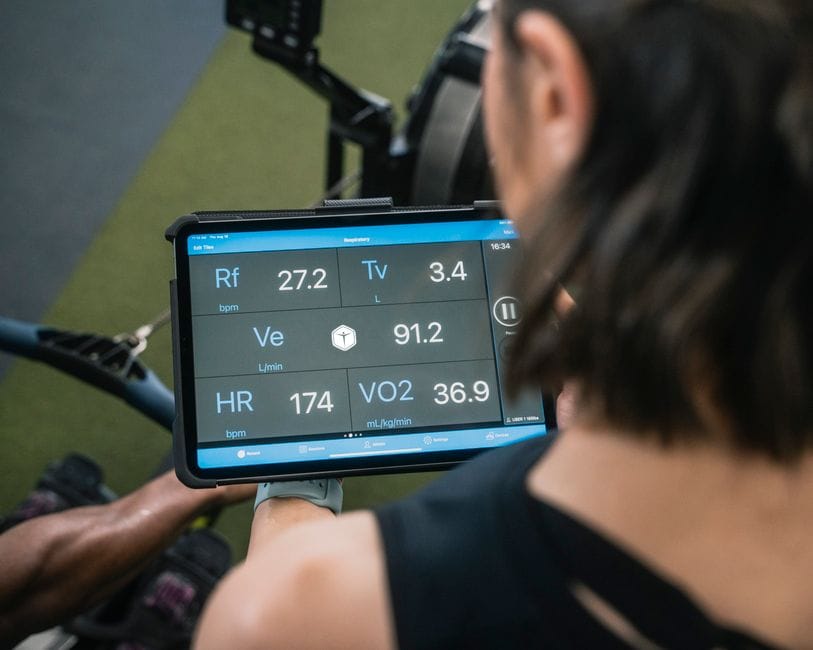
The driver shaft is responsible for transferring your swing energy to the ball. A mismatch in weight, flex, or bend profile can lead to inconsistent impact, poor launch angles, and excess spin—all of which kill distance and accuracy. A professional golf driver shaft fitting uses launch monitor data to measure ball speed, spin, launch angle, and carry distance. With that data, we can select a shaft that optimizes your launch conditions and reduces dispersion. The difference isn’t subtle; many golfers gain 20 or more yards after a proper fitting, based on industry benchmarks. More importantly, those yards come with tighter shot patterns, so you hit more fairways. Smash factor, the ratio of ball speed to clubhead speed, also improves as impact becomes more centered. For Berks County golfers, a custom fit driver means fewer lost balls and lower scores.
Understanding these four variables is essential to choosing the right shaft. Shaft weight (measured in grams) affects swing tempo and feel. Heavier shafts (70–80g) can promote a smoother rhythm and may lower spin, while lighter shafts (50–60g) can help increase clubhead speed. Flex—the shaft’s resistance to bending—is often misunderstood. It should match your swing speed and transition style, but a “stiff” label doesn’t tell the whole story. Bend profile describes how the shaft bends along its length (tip, mid, or butt), influencing launch angle and feel. For example, a tip-soft shaft can help launch the ball higher, while a tip-stiff shaft may reduce spin. Torque, the shaft’s resistance to twisting, affects shot consistency: lower torque tends to improve accuracy for aggressive swingers. Modern manufacturing from brands like Fujikura, Graphite Design, and Mitsubishi Chemical Diamana has refined these characteristics, so old myths like “heavier shafts always reduce dispersion” no longer hold true. In fact, a lighter shaft with the right bend profile can be equally accurate.
At MB Custom Golf, we follow a systematic, transparent process. First, you warm up and we record several shots with your existing driver to gather baseline data on swing speed, ball speed, launch angle, spin, and carry distance. Next, we isolate the shaft: we swap in different shaft options while keeping the same clubhead, testing a range of weights, flexes, and bend profiles. We may use shafts from premium lines like Project X, TENSEI, or Mitsubishi Chemical Diamana. Once the ideal shaft is identified based on launch monitor metrics and your feel feedback, we find the optimal clubhead by testing various models and loft options. Finally, we dial in the lie angle, length, swingweight, and grip. Every adjustment is measured and verified using Mitchell equipment, ensuring the club is built exactly to specification. This one-on-one attention—from fitting through final assembly—is something you won’t find at a chain store where the fitter may be working with multiple customers simultaneously.
A thorough fitting session typically takes 60–90 minutes. At Club Champion, they report average gains of over 20 yards from their fittings, and we see similar results. For online fitters like FairwayJockey, you answer questions about your 7-iron distance, desired trajectory, transition type, and feel preference, but nothing replaces real-time data. In our studio, you see the numbers change with each shaft, building confidence in the final selection.
Many golfers believe that a heavier shaft automatically reduces dispersion. While weight can influence consistency, modern shaft manufacturing means that a properly fitted lighter shaft can be just as accurate—and often faster. Another myth is that a flexible shaft always launches higher. In reality, bend profile and torque play a larger role. The best approach is to rely on launch monitor data, not anecdotal wisdom. A 2023 GolfWRX forum discussion highlighted that myths like 'heavier shafts add spin' and 'heavier shafts shrink dispersion' are considered outdated with modern manufacturing. At MB Custom Golf, we use real numbers to make decisions, so you get a shaft that fits your swing, not a one-size-fits-all recommendation. We also consider your transition type: aggressive swingers often need stiffer tip sections, while smooth swingers may benefit from softer profiles. By testing multiple shafts, we find what truly works for you.
Big-box stores like Golf Galaxy or chain fitters often have limited inventory and high-pressure sales. Their fitters may not have the time or tools to truly customize. A private, appointment-only studio like MB Custom Golf offers undivided attention, access to premium brands like Fujikura, Graphite Design, Project X, and Mitsubishi Chemical Diamana, and a builder who checks every spec with Mitchell-calibrated equipment. We also perform a final quality control before you take the club home. You’re not just buying a shaft; you’re investing in a precision-built club that’s uniquely yours. For Berks County golfers, that means a drive to Wernersville is worth every mile. We serve players from Reading, Wyomissing, Sinking Spring, West Lawn, and beyond. Our focus on transparency means we explain every step, so you understand why each component was chosen.
During a fitting, you’ll see numbers like ball speed, spin rate, launch angle, and carry distance. Ball speed measures how efficiently the clubhead transfers energy. Spin affects trajectory and roll: too much and you lose distance, too little and the ball won’t stay in the air. Launch angle determines apex and landing angle. Carry distance is the distance the ball flies before landing. We’ll also look at smash factor (ball speed divided by clubhead speed) as a measure of center contact. These metrics guide our shaft and head selections, ensuring every component works together. For example, if your spin is high and launch too low, a lower-spin shaft with a higher-launch head can balance the two. The goal is to maximize carry while maintaining a dispersion that keeps the ball in play. With Mitchell tools, we can also adjust lie angle and loft to fine-tune ball flight.
If you’re serious about improving your game, a custom driver shaft fitting is the most impactful change you can make. At MB Custom Golf, we offer a no-pressure, data-driven experience tailored to your swing. Contact us to schedule a private session, and let’s build a driver that performs. Whether you’re looking to add 20 yards, tighten your dispersion, or simply have a club built to your exact specs, we’re here to help. Located in Wernersville, we proudly serve golfers throughout Berks County. Book your appointment today and see what precision feels like.
When you're serious about gaining every possible yard off the tee, the equipment you choose matters more than just about any other variable. Krank Golf has built a reputation as the brand for golfers who refuse to leave distance on the table, and their Formula FIRE driver line exemplifies this mission. These are not your average off-the-shelf drivers; they are engineered with specific COR (coefficient of restitution) levels to maximize ball speed for different swing profiles. Whether you're a high-speed player chasing tour performance or a mid-speed golfer looking for extra pop, understanding what makes Krank Golf different can help you decide if one of these drivers belongs in your bag.
The company, based in Tempe, Arizona, specializes exclusively in distance-oriented drivers and fairway woods. Unlike major OEMs that produce hundreds of SKUs to cover every possible demographic, Krank focuses on a single core technology: optimizing COR to match your swing speed. Their design philosophy prioritizes maximum energy transfer at impact, using precision-milled titanium faces and advanced weighting to achieve the highest legal (and sometimes non-conforming) COR for each player category. For Berks County golfers looking to upgrade their driver, a custom fitting at a dedicated studio like MB Custom Golf ensures you get the right Krank model, shaft, and settings for your swing.
Krank Golf separates itself from major OEM brands by designing drivers around specific COR limits. The Formula FIRE line includes three distinct models—PRO TOUR, X TOUR, and XX TOUR—each tailored to a different swing speed range. This approach allows golfers to choose a driver that maximizes their distance without sacrificing legality or consistency. The heads are 5% smaller than standard drivers, a design choice that increases rotational stability and provides better control on off-center hits. Additionally, increased bulge and roll help straighten mis-hits, reducing dispersion and keeping more shots in the fairway. The face is constructed from a high-strength titanium alloy, machined to precise thicknesses to create a larger sweet spot while maintaining durability. Every head is measured on a Mitchell gauge to verify loft, lie, and face angle before it leaves the factory.
The company's commitment to precision extends beyond head design. Every component is selected with performance in mind, and the drivers are available with premium shaft options from manufacturers like Fujikura. For the serious golfer, this means a club that is built, measured, and matched to your swing characteristics—not a one-size-fits-all solution. The weighting system allows for adjustable center of gravity (CG) positions, enabling fitters to fine-tune launch angle and spin rates for optimal ball flight.
The Formula FIRE TOUR series consists of three models, each calibrated to a specific swing speed range. The PRO TOUR is designed for players who average drives of 250+ yards and is fully conforming to USGA rules. It delivers a solid combination of distance and control, making it suitable for competitive amateur and professional play. The face is slightly thicker to maintain structural integrity at high impact speeds while still offering a COR near the .830 limit. The X TOUR model features a higher COR (coefficient of restitution), designed for swing speeds producing drives between 200 and 249 yards. This model is non-conforming for tournament play but provides exceptional distance for recreational golfers who want every advantage. The thinner face and optimized internal weighting increase ball speed by up to 2 mph compared to conforming models. The XX TOUR has the highest COR, built for players with drives under 199 yards. Like the X TOUR, it is non-conforming but offers maximum ball speed for its intended swing range—often adding 10-15 yards over a standard driver for slow-swing players.
All three models are available in lofts ranging from 4 to 15 degrees, and flexes including stiff, regular, senior, and extra stiff. This variety allows for fine-tuning of launch angle and spin rates, factors that directly affect carry distance and roll. Each head also features adjustable hosel settings (except on certain fixed-loft options), giving fitters the ability to modify face angle and lie by plus or minus 2 degrees.
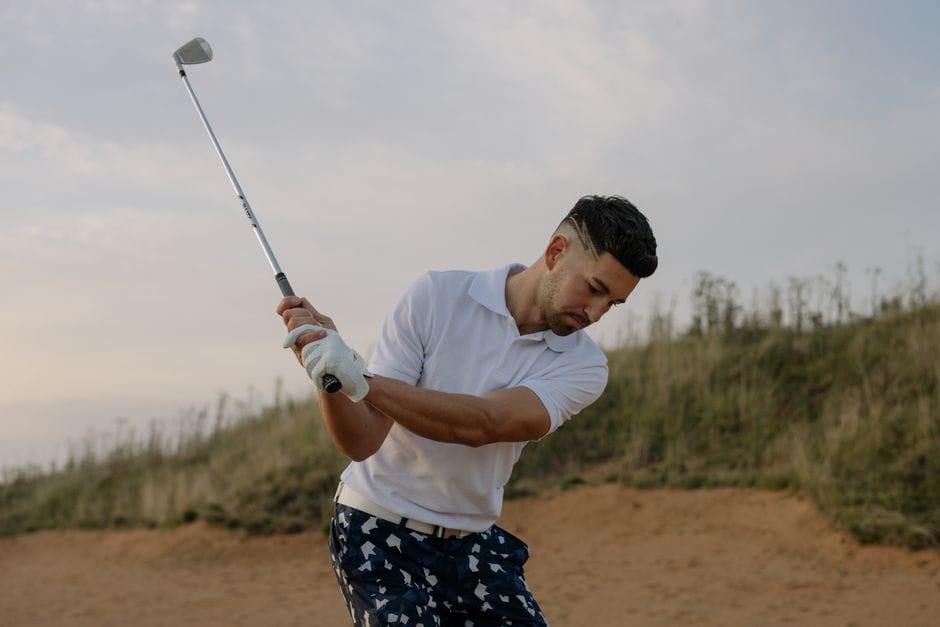
Perhaps the most compelling endorsement of Krank Golf technology comes from Bryson DeChambeau, who used a Krank driver during his 2020 U.S. Open victory and subsequent wins in Singapore and South Africa. DeChambeau's unique approach to equipment—maximizing clubhead speed and optimizing launch conditions—aligns perfectly with Krank's engineering philosophy. His success on the PGA Tour demonstrates that these drivers can perform at the highest level under pressure. While not every golfer swings like Bryson, the data-driven design behind Krank's drivers benefits players across all skill levels. Kranck worked directly with DeChambeau's team to develop a head that could withstand his 130+ mph swing speed while still delivering the high launch and low spin he uses to maximize carry distance. The driver he used had a special face treatment and weight placement to match his preferred swing dynamics.
Selecting the correct Formula FIRE model starts with an honest assessment of your average drive distance. If you consistently hit over 250 yards, the PRO TOUR is likely your best choice. For drives between 200 and 249 yards, the X TOUR will provide a meaningful boost in ball speed. If your average is under 200 yards, the XX TOUR maximizes the COR to help you gain as much distance as possible. However, the only way to truly dial in a driver is through a professional club fitting. A custom fitting session using real launch monitor data will identify your exact swing speed, launch angle, and spin rate, ensuring you get the ideal head, loft, and shaft combination. For example, a player with a 95 mph swing speed and high spin might benefit from the X TOUR head with a low-spin shaft, while a 110 mph player might need the PRO TOUR with a stiff tip to control launch. Fitters also consider angle of attack and club path to fine-tune the build.
Krank Golf offers a range of premium shaft options from Fujikura, including the Ventus and Speeder series, as well as other aftermarket brands. Each shaft profile influences launch and spin differently, so testing multiple options during a fitting is critical. At MB Custom Golf, we stock a variety of shafts to test so you can see real-time data on the monitor.
For golfers in Berks County, MB Custom Golf in Wernersville offers a private, appointment-only studio where you can be fit for a Krank driver. Unlike big-box retailers, MB Custom Golf provides a one-on-one experience focused on precision and transparency. Every fitting uses launch monitor data and Mitchell-calibrated tools to measure your swing characteristics and match you to the right equipment. The process begins with a thorough analysis of your current driver and swing, tracking metrics like ball speed, launch angle, spin rate, and dispersion. Then, we test multiple Krank models and shaft combinations to see which yields the best combination of distance and accuracy. Once the optimal combination is found, we build the club in-house to your exact specifications—including loft, lie, face angle, and swing weight. The result is a club built to your exact specifications, without sales pressure or shortcuts. Whether you're considering the Formula FIRE PRO TOUR, X TOUR, or XX TOUR, a professional fitting ensures you get the right model and settings to maximize your performance.
Krank Golf drivers are available through authorized retailers like Mike's Golf Shop and on eBay. Pricing varies by model and custom options, but the company often runs promotions. During their U.S. Open and Father's Day sale, for example, Krank offers a $125 discount on all drivers, heads, and fairway woods using code OPEN125. Free shipping is included on contiguous U.S. orders. For the most current pricing and availability, check with your local fitting professional or visit Krank Golf's official website. Given the exclusivity of these drivers and their performance reputation, they represent a serious investment in your game—one that custom fitting makes even more valuable. When you factor in the personalized build and verified specs from a studio like MB Custom Golf, the cost per yard gained is minimal compared to buying off the rack and hoping for the best.
A golf club fitting chart is a valuable tool that helps golfers determine the ideal club length and lie angle based on height and wrist-to-floor measurement. While it serves as a useful starting point, understanding how to read and apply the chart is key to improving consistency and accuracy on the course. In this guide, we'll walk through everything you need to know about using a golf club fitting chart—and why a professional fitting takes it to the next level.
Many golfers assume that off-the-rack clubs are close enough, but research shows that fewer than 40% of players actually match standard specs. A fitting chart bridges the gap by providing baseline recommendations tailored to your body measurements. However, it's only the first step in a process that should ultimately rely on real launch data and professional expertise.
A typical golf club fitting chart lists recommended club length adjustments based on your height and wrist-to-floor measurement. The chart accounts for the fact that taller golfers generally need longer clubs, while shorter golfers need shorter clubs. However, length is just one piece of the puzzle. Lie angle, shaft flex, and grip size all interact to create a properly fitted set.
Charts are usually organized with height along one axis and wrist-to-floor measurement along the other. The intersection gives a length adjustment in half-inch increments. For example, a golfer 6'0" with a 35-inch wrist-to-floor might see "+1/2" indicating a half-inch over standard. Keep in mind these charts are generic and based on averages. They don't account for variations in swing dynamics or posture. That's why they are best used as a starting point for a professional fitting.
To use the chart, you need an accurate wrist-to-floor measurement. Stand upright with your arms hanging naturally. Measure from the crease of your wrist (where the hand meets the arm) straight down to the floor. Do this without shoes for consistency. This measurement, combined with your height, determines your starting point on the chart.
A common mistake is bending the wrist or raising the shoulders, which adds error. Have a friend help or use a mirror to ensure arms are relaxed. For best results, take three measurements and average them. A difference of even a quarter inch can shift the chart recommendation, so precision matters.
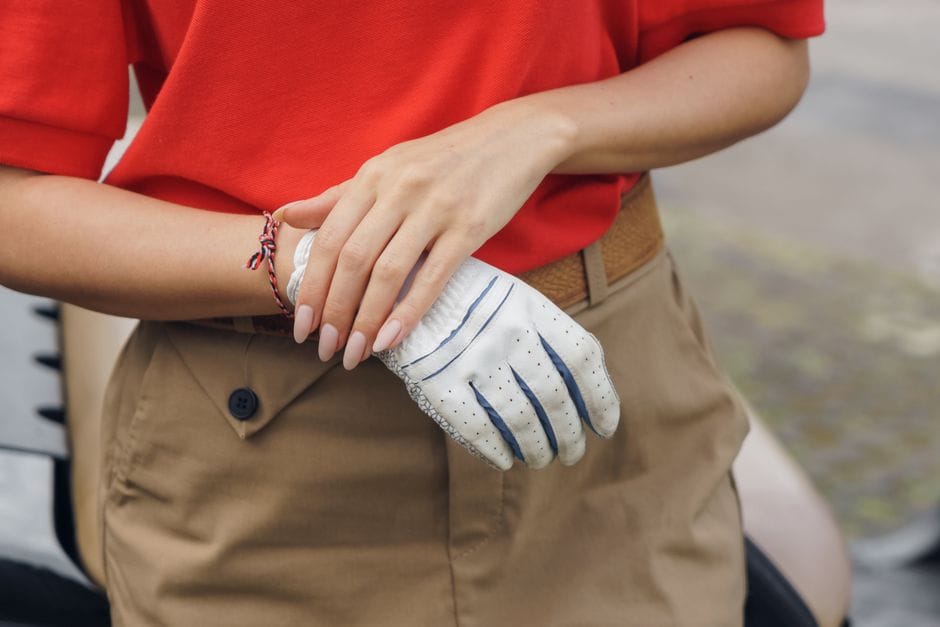
Height alone can give a rough idea of length needs, but wrist-to-floor measurement refines it. For example, a golfer who is 6'2" but has long arms (low wrist-to-floor) may need less length adjustment than a golfer of the same height with short arms. The chart cross-references these two data points to recommend a starting length.
Consider two golfers: Player A is 5'10" with a 32-inch wrist-to-floor, and Player B is 5'10" with a 34-inch wrist-to-floor. Player A (short arms) likely needs a +1/2" length, while Player B (long arms) stays at standard. This underscores why you need both measurements.
Standard lengths vary by club type. For irons, each club in the set is typically 1/2 inch longer than the previous. Woods and hybrids have their own standard lengths, often longer than irons for the same number. Wedges are usually shorter than irons of similar loft to provide control. Here are common standards:
These standards are set by manufacturers like Callaway and sometimes deviate slightly. A fitting chart will suggest adjustments relative to these baselines. Remember that playing a longer or shorter club affects not just distance but also swing weight and feel.
Lie angle must be fitted after length because length changes affect dynamic lie angle. Every half inch of added length makes the iron play about 1 degree more upright. The fitting chart often includes lie angle recommendations based on length and swing characteristics. An incorrect lie angle can cause shots to miss left or right even with a good swing.
Dynamic lie is measured with a launch monitor or a lie board. When the club impacts the turf, the sole should make contact evenly. If the toe is raised, the lie is too flat; if the heel is raised, it's too upright. A skilled fitter uses Mitchell-calibrated tools to bend the hosel to the precise degree. This level of accuracy can't be achieved with a chart alone.
Major brands like Wishon Golf emphasize that lie angle is a performance factor often overlooked. Many golfers benefit from a lie adjustment of 1-2 degrees from standard, which can tighten dispersion by several yards.
While a golf club fitting chart provides helpful starting data, it cannot replace a professional fitting using launch monitor data and precision tools. A skilled fitter, like those at MB Custom Golf in Wernersville, PA, uses Mitchell-calibrated tools to measure lie, length, swing weight, and more. Real launch conditions—such as ball speed, launch angle, spin rate, and dispersion—determine the final specs. This personalized approach ensures every club is built, measured, and matched to your swing.
During a professional fitting, you hit balls while the fitter captures data. They adjust the club's length, lie, shaft flex, and grip size in real time. They may also recommend premium components from brands like Hireko Golf or Callaway Golf Pre-Owned to optimize performance. The goal is to minimize dispersion and maximize consistency.
For Berks County golfers, working with a local expert who offers one-on-one attention from fitting through build means no shortcuts, no retail pressure, and measurable performance gains. The chart is a starting point; the fitting is where the magic happens.
Common misconceptions include thinking that standard off-the-rack clubs fit most players. In reality, only about 40% of golfers fall close to standard. A professional fitting can identify subtle adjustments that improve consistency, distance, and accuracy. Whether you are a beginner or a seasoned player, investing in a custom fitting is the surest path to better golf.
When you walk into a big-box store, you might hit into a net and get a vague recommendation. In a private studio like MB Custom Golf, you get a full diagnostic session that includes static measurements, dynamic swing analysis, and a build that matches your exact specifications. The difference is night and day.
When golfers talk about smooth-feeling steel shafts, Nippon is usually one of the first names that comes up. Nippon iron shafts are known for their unique feel, consistent performance, and wide range of options for different swing speeds and player types.
Whether you are a better player looking for tighter dispersion or a golfer who needs more launch and smoother feel, Nippon has shaft options worth considering. The key is understanding which model fits your swing and your ball flight goals.
Why Golfers Choose Nippon Iron Shafts
One of the biggest reasons golfers choose Nippon shafts is feel. Many players describe them as smoother and more responsive than other steel shaft options. That smoother feel can help create more confidence and better consistency throughout the set.
Nippon also offers shafts in different weights and profiles, which makes them a strong option for many types of golfers. Some models are designed for control and stability, while others are built to help create more launch, speed, and easier overall performance.
Main Nippon Iron Shaft Lines
MODUS Series
The MODUS line is often associated with players who want control, consistency, and a more refined performance profile. These shafts are popular among stronger players and golfers who want tighter dispersion and a more stable feel through impact.
Different MODUS models can fit different swing types. Some are lighter and easier to load, while others offer a heavier and more stable feel for players with a stronger transition.
Best for:
Better players
Golfers who want control
Players with a more aggressive swing
N.S. PRO 950GH
The 950GH is one of the most recognized Nippon shafts and is a good fit for golfers who want a lightweight steel shaft with smooth feel and easier launch. It is often a strong option for players who want steel performance without the harsher feel some heavier shafts can have.
Best for:
Mid-handicap golfers
Players wanting lighter steel
Golfers who want easier launch
NEO Series
The NEO series is built to work well with modern iron designs. These shafts can help golfers get the ball up in the air more easily, especially in stronger-lofted game-improvement irons. For players who struggle with launch or stopping power, this can be a very good category to test.
Best for:
Game-improvement iron players
Golfers needing more height
Players who want a modern lightweight steel option
ZELOS Series
The ZELOS line is designed for golfers who need a very lightweight steel shaft. These shafts can help players generate more clubhead speed and launch, which can be useful for slower swing speed golfers or players who want a lighter overall club feel.
Best for:
Slower swing speeds
Senior golfers
Players wanting higher launch and lighter feel
Comparing Nippon Shaft Types
Here is a simple breakdown of how these shaft families generally fit:
MODUS
More control-oriented
Stable feel
Great for stronger players
950GH
Lightweight steel
Smooth feel
Good blend of launch and control
NEO
Helps with launch
Good for modern stronger-lofted irons
Helpful for players needing height
ZELOS
Very lightweight
Easy to swing
Good for players needing speed and launch
How to Choose the Right Nippon Shaft
The right shaft depends on more than just brand name. It should match your swing, your tempo, and your ball flight goals.
Swing Speed
Golfers with slower swing speeds often benefit from lighter shaft options. Golfers with higher swing speeds may need something heavier or more stable to keep ball flight and dispersion under control.
Tempo and Transition
A smoother swing may fit well into one shaft profile, while a more aggressive transition may need a shaft that feels firmer and more stable. This is one reason why two golfers with similar swing speed can still need different shafts.
Ball Flight Goals
If you need more height, a lighter or more launch-friendly shaft may help. If you already hit the ball high and want more control, a lower launching or more stable option may be a better fit.
Feel Preference
Some golfers care most about feel. Others care most about numbers. The best shaft usually gives you both the performance you need and the feel that gives you confidence.
Why a Proper Shaft Fitting Matters
Many golfers buy irons based only on the clubhead and never pay enough attention to the shaft. That is a mistake. The shaft plays a major role in how the club performs.
The right iron shaft can influence:
Launch
Spin
Distance consistency
Dispersion
Overall feel
Even a great shaft can perform poorly if it does not match the player. That is why testing and fitting matter so much.
Nippon Shafts and Custom Fitting
If you are considering Nippon iron shafts, the best approach is to test multiple options and compare the results. A good fitting can help you find out which weight, profile, and model actually works best for your swing instead of guessing based on what works for someone else.
At MB Custom Golf, the goal is to match the golfer to the right build, not just sell a popular shaft. That means looking at feel, ball flight, and consistency to find the best overall setup.
Final Thoughts
Nippon iron shafts are popular for a reason. They offer smooth feel, strong performance, and options for a wide range of golfers. Whether you are looking for control, easier launch, lighter weight, or better overall consistency, there is likely a Nippon model worth testing.
The most important step is not just choosing Nippon. It is choosing the right Nippon shaft for your swing.
Ready to Find the Right Iron Shaft?
If you are interested in testing Nippon iron shafts and getting fit for your swing, MB Custom Golf can help you find the right setup for feel, performance, and consistency.
Book a fitting and see which Nippon iron shaft fits your game best.

Big-Box Fittings vs. Tour-Level Custom Builds: What’s the Real Difference?
When it comes to golf club fitting, not all experiences are created equal. Walk into a big-box retailer and you’ll likely be handed a few off-the-rack options, a quick swing analysis, and a generic recommendation. But if you’re chasing precision, performance, and a build that mirrors what tour pros demand, you need something more — something custom.
Big-Box Retailer Fittings: Convenience Over Precision
Big retailers offer fittings that are:
These fittings can be helpful for beginners or casual players, but they rarely uncover the nuances that affect ball flight, dispersion, and feel.
Tour-Level Custom Fittings: Built for Performance
At MB Custom Golf, we approach fitting like a tour technician:
This isn’t just a fitting — it’s a build process. Every club is hand-assembled to exacting specs, just like the ones in a tour van.
Why It Matters
The difference shows up in:
Golf is a game of inches — and those inches start in the build shop.
If you’re serious about your game, don’t settle for a retail fitting. Go tour-level. Go custom. Go MB.
