Your putter is the most-used club in your bag, and the grip is your only connection to it. Yet many golfers overlook the impact of a properly fitted grip on consistency and feel. Whether you struggle with a yippy stroke or simply want to tighten your dispersion, upgrading your golf putters grips can transform your performance on the greens. In this guide, we'll break down the types, sizes, brands, and customization options so you can choose the perfect grip for your putting style.
At MB Custom Golf in Wernersville, PA, we see golfers every day who have never considered how their grip influences their stroke path, tempo, and hand action. A grip that matches your swing characteristics — not just your hand size — can reduce unwanted wrist movement, promote a pendulum-like motion, and improve distance control. Let's dive into everything you need to know about golf putter grips.
Putter grips come in four primary shapes: pistol, round, flat, and oversize. Each shape influences hand placement and stroke path differently, and selecting the right one depends on your natural stroke arc and hand action.
Pistol grips feature a built-up ridge in the upper hand area, which helps set the hands in a consistent position. They are ideal for golfers with a slight arc in their putting stroke, as the ridge encourages a repeatable hand placement. Models like the SuperStroke Pistol and Golf Pride Pro Only are popular examples. The ridge can also reduce grip pressure, allowing for smoother tempo.
Round grips have a uniform circumference throughout. They allow the hands to rotate freely and are often preferred by players with a straight-back-straight-through stroke. The Golf Pride Reverse Taper is a modern round option that changes diameter from top to bottom, adding a subtle counterbalance effect. Round grips are also favored by golfers who like to feel the toe of the putter move through impact.
Flat grips, such as the SuperStroke Flatso, have a flat front and rounded back. They help square the face at impact and reduce wrist breakdown. Many amateur golfers find them more forgiving, especially those who tend to flip the putter head through impact. The flat surface also provides a reference point for consistent hand placement.
Oversize putter grips, like the JumboMax JumboFlat and SuperStroke Zenergy Tour, are larger in diameter. They reduce wrist action and promote a stable, pendulum-like stroke. Counterbalanced versions add weight to the butt end to decrease swing weight and improve tempo. For golfers with a tendency to get handsy, an oversize grip can be a game changer. Sizes range from midsize to jumbo, and even armlock-specific models like the JumboMax Armlock 21.
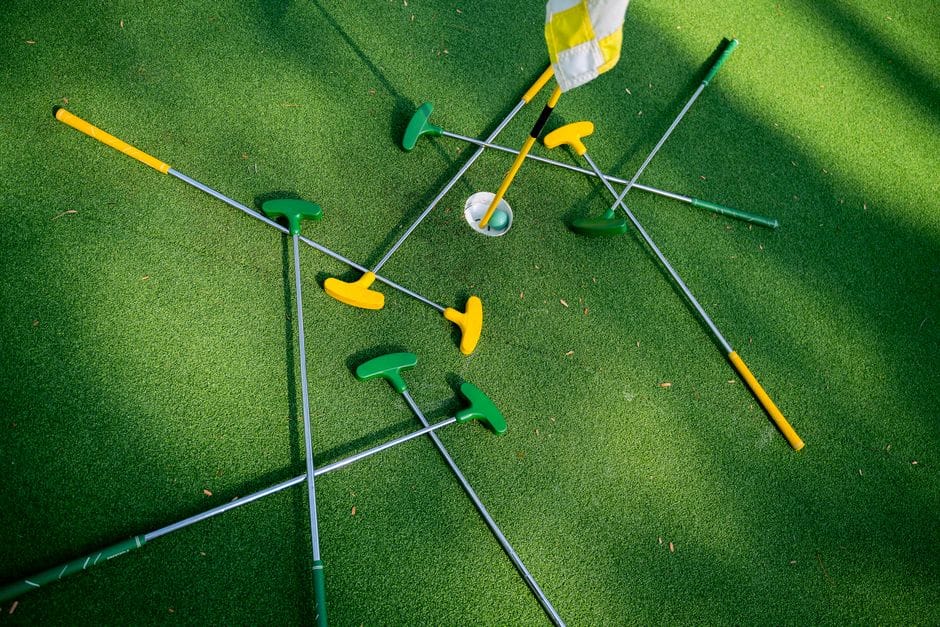
Grip size is crucial. A grip that is too small can cause excessive hand action, while one that is too large may restrict feel. Most manufacturers offer standard, midsize, jumbo, and even armlock sizes for specific putting methods. The best way to determine your size is through a fitting session where you can test different diameters and shapes with real putts.
Several brands dominate the putter grip market, each with unique technologies and price points. Understanding the differences can help you narrow your choices.
SuperStroke is the most recognized name in oversized putter grips. Their Zenergy line includes the WristLock, Pistol, Flatso, and Tour models. The WristLock features a unique wrap that stabilizes the lead wrist, while the Tour has a more rounded profile. Prices range from $35 to $40, and custom embroidery with logos or text is available.
Golf Pride offers the Zero Taper, Reverse Taper, and Pro Only series. The Zero Taper maintains a constant diameter from end to end, popular among purists. The Reverse Taper increases in thickness toward the top, acting as a counterbalance. Prices range from $15 to $40, making them an affordable upgrade.
JumboMax grips include the JMX Pistol, Mid-Jumbo, JumboFlat 13, and ST/1.2 15. Prices are $15 to $30. The ST/1.2 15 is a flat-front model with a 15-degree built-in angle for wrist relief. Their Armlock 21 model is designed for the arm-lock putting method, with an extended length for forearm placement.
For a premium feel, The Grip Master produces leather putter grips in classic wrap and signature laced styles. Prices range from $30 to $100. These grips offer exceptional tackiness and durability, improving over time with use. They are a favorite among golfers who prioritize feel and craftsmanship.
Winn, Lamkin, Iomic, and 2Thumb are also major players. Winn grips are known for their soft polymer material that reduces vibration. Lamkin offers the ST+2 Genesis with a textured surface for tackiness. Iomic makes thin, tacky grips popular in Japan for their moisture-wicking properties. 2Thumb features a unique thumb rest design that promotes a neutral wrist position. Retailers like Grips4Less stock these options for easy ordering.
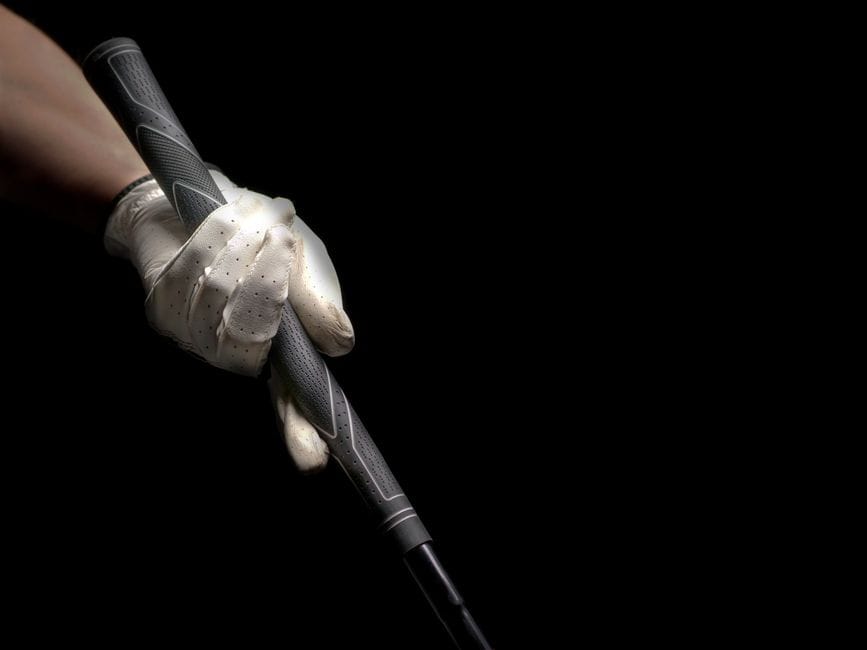
Upgrading to a grip that matches your stroke can deliver measurable improvements:
Custom fitting using launch monitor data — like we do at MB Custom Golf — can pinpoint the ideal grip shape, size, and weight for your unique swing characteristics. For example, a golfer with a fast tempo might benefit from a heavier grip to slow the transition, while a smooth stroker might prefer a standard weight for better feel.
Proper installation is key to realizing the benefits of your new grip. A misaligned grip can cause you to aim incorrectly, negating the advantages of a good shape and size. Here are a few tips:
If you are not confident in your DIY skills, a professional installation is recommended. A misaligned grip can add variability to your putting stroke, especially on short putts where aim is critical.
Many brands offer customization to make your putter uniquely yours. SuperStroke and The Grip Master allow you to add logos, monograms, or custom text. You can choose from dozens of colors to match your bag or personal style. Custom grips are often available with a lead time of one to two weeks. Prices vary, but the added personal touch can boost confidence on the greens.
Whether you are a weekend golfer in Wyomissing or a competitive player from Reading, the right putter grip can shave strokes off your game. At MB Custom Golf, we fit and build every club to your swing — no shortcuts, no retail pressure. Book an appointment to experience the difference precision makes.
