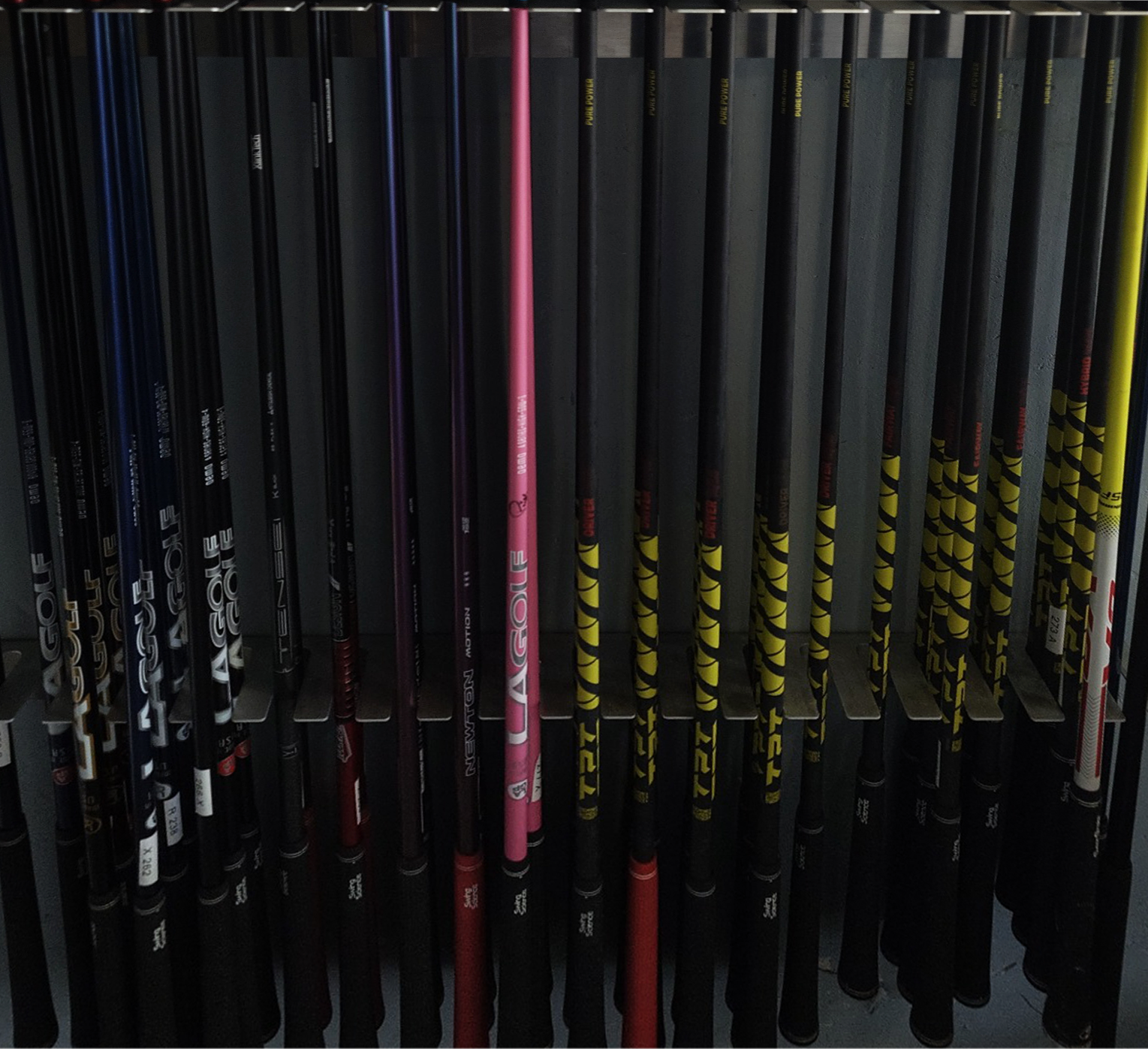
Every club is fit, measured, and built using real launch data — not generic specs. One builder. One process. Built exactly for how you swing.
Private appointment-based studio • Mitchell-calibrated equipment • No big-box pressure
Located in Wernersville, PA • This is a private studio — you’re in the right place when you arrive
Carry, spin, launch, and dispersion measured — not guessed.
The same person fits, builds, and verifies your clubs.
Appointment-only — no retail pressure, no rushed fittings.
Before you book, you should know who is building your clubs. MB Custom Golf is trained in professional fitting, build, and shaft optimization procedures — using measured specs instead of guesswork.
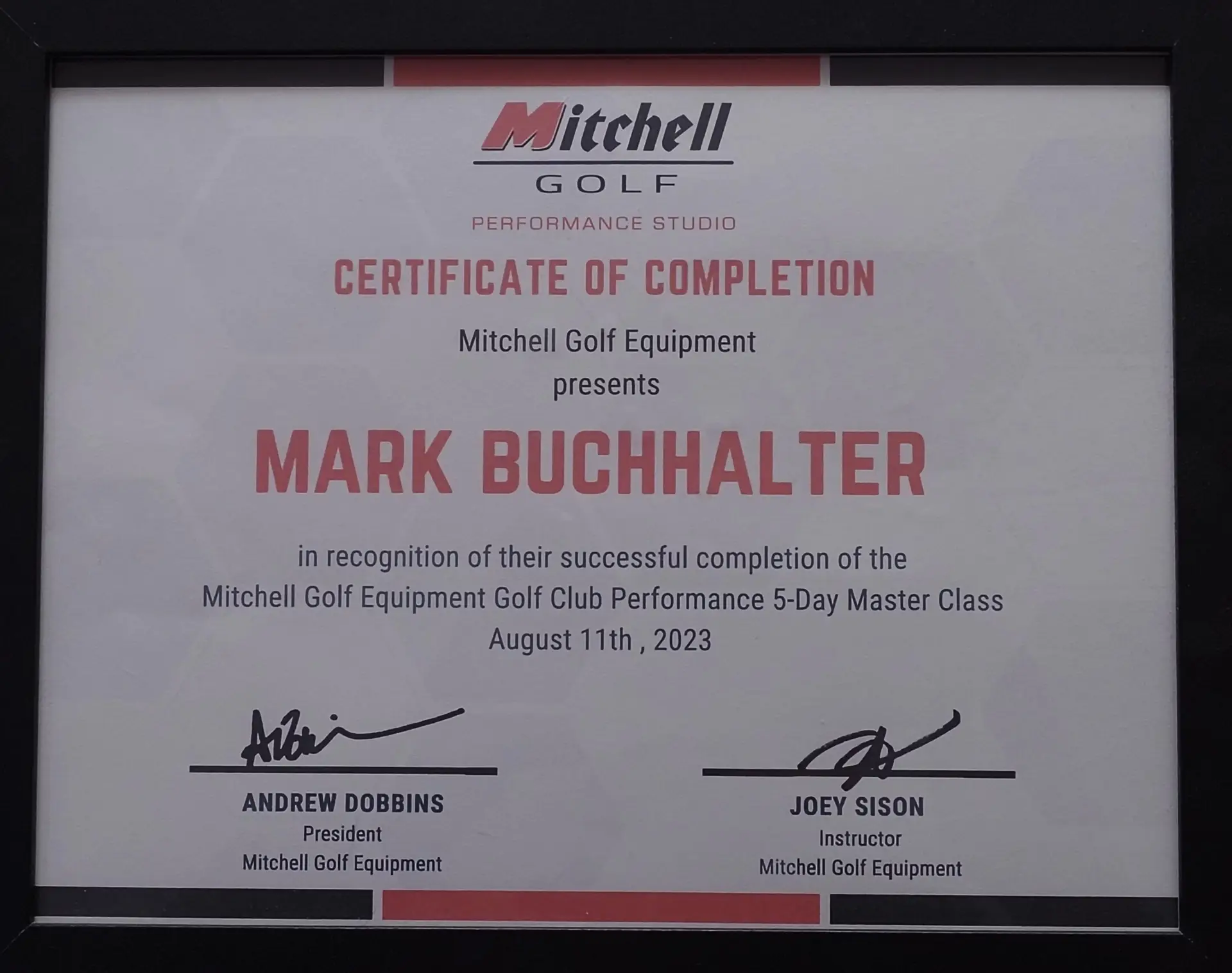
Certified Club Fitter & Builder — trained in loft, lie, club repair, and precision build procedures.

Certified Fitter — trained in advanced shaft optimization, performance matching, and fitting evaluation.
MB Custom Golf is a private, appointment-based fitting studio built for one-on-one fittings, real launch data, and precision custom builds. You are not walking into a crowded retail store — you are getting a focused fitting experience built around your swing.
If it is your first visit, that is completely normal. The goal is to make the experience clear, comfortable, and professional from the moment you arrive.
No store traffic, no rushed fitting bay, and no retail pressure.
Built for launch monitor testing, fitting, and precision club work.
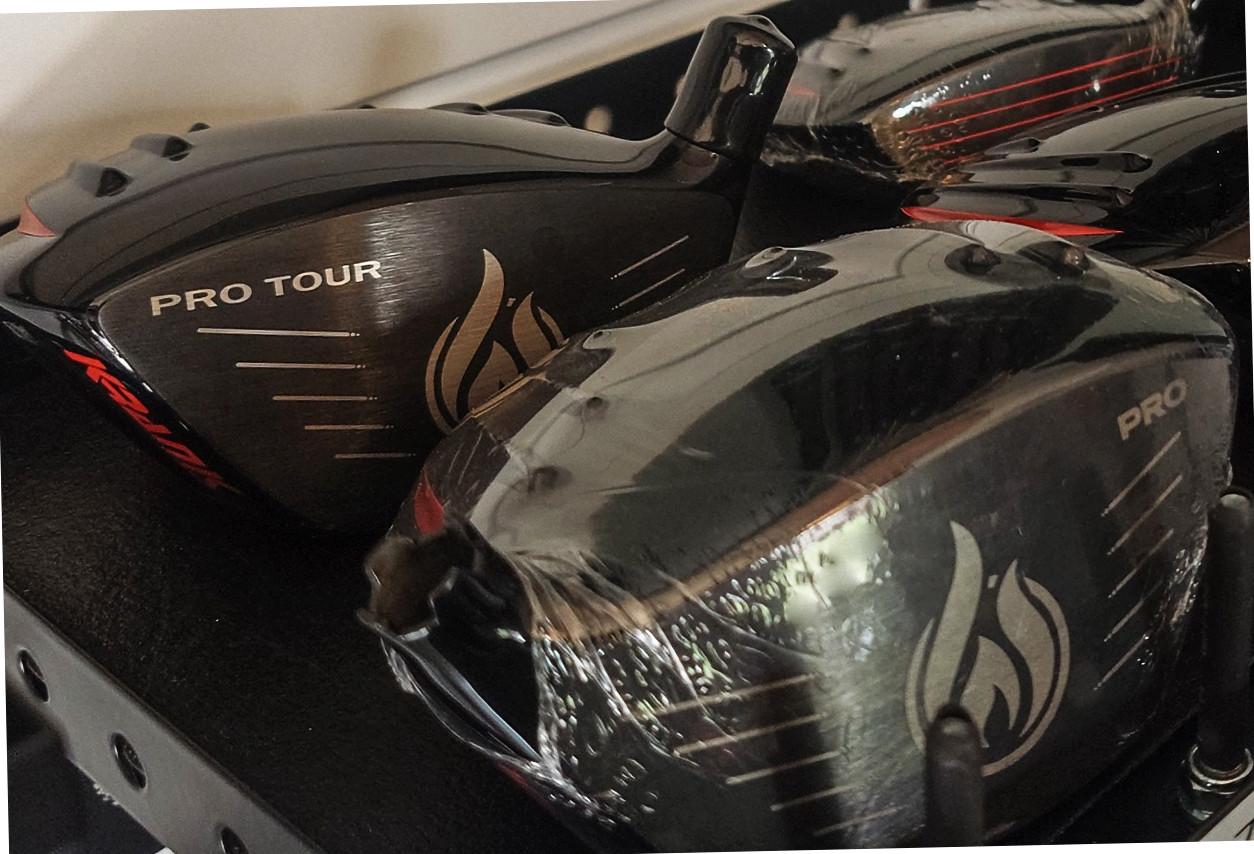
Private appointment-based fitting experience
Real launch monitor numbers and honest recommendations
Tour-level build process with one consistent builder
A more personal experience than a standard retail fitting bay
First visit? You are in the right place. MB Custom Golf operates as a private fitting studio, not a traditional storefront.
Every fitting follows a structured process to remove guesswork and find what actually performs for your swing.
We start by looking at your current setup and ball flight.
Launch, spin, carry, and dispersion are measured with real data.
We identify what actually improves your ball flight and consistency.
Your clubs are built to the exact specs that performed best.
A proper fitting is about more than just buying new clubs. It helps match loft, lie, shaft, length, weight, and grip to your swing so the club works with you instead of against you.
The goal is better performance, tighter consistency, and more confidence every time you step on the course.
Better lie angle, length, and shaft fit can help start the ball online more consistently.
Proper launch, spin, and strike can help you gain usable yards without overswinging.
A fitting helps control shots that launch too low, spin too much, or fly with the wrong shape.
Clubs that fit your swing tend to produce more repeatable contact, carry numbers, and dispersion.
Grip size, overall weight, and build balance all affect how natural the club feels in your hands.
When you trust your setup and numbers, it becomes easier to commit and swing freely.
Descent angle, also called landing angle, is the angle the ball is traveling downward as it returns to the ground. In a fitting, it helps show whether a shot is coming in with the right balance of distance, stopping power, and control.
Launch angle is the initial vertical angle the ball leaves the club relative to the ground. Descent angle is the downward angle of the ball later in flight as it comes back down.
They are connected, but they are not the same number. Ball speed, launch, spin, peak height, and delivery all influence how steeply the ball lands.
A steeper descent angle usually helps the ball stop faster. A flatter descent angle can add bounce and roll, which may be helpful with driver but can make it harder to hold greens with irons.
For driver, a strong target window is often around 35° to 40°. For a 7-iron, a landing angle around 45° to 50° is commonly associated with better stopping power on approach shots.
With driver, descent angle is balanced against carry and roll. The goal is usually an efficient landing window around 35° to 40°, not simply hitting the ball higher.
With irons, descent angle matters much more for control. A well-fit iron should carry the right number and land steeply enough to improve green-holding ability.
With wedges, loft, spin, delivery, and shaft influence how the ball lands. The fitting goal is predictable flight, repeatable distance, and enough stopping power for scoring shots.
Schedule your personalized fitting and experience tour-level club building focused on your swing, your numbers, and your goals.
Tour-level fitting and custom builds in Berks County, PA.
